

You paid for the tooling. You have the invoices. You were told the molds are yours. But now your Chinese supplier won’t release them… If you’re dealing with a mold ownership dispute in China, you’re not alone.
It may not bring you much peace during this stressful time, but this is one of the most common and frustrating problems importers face when trying to move production or regain control over their tooling.
Here’s what’s really going on, and what you can do about it, drawing on real experiences from importers Sofeast has helped.
Example situation: 8 molds, 4 tons… and no cooperation
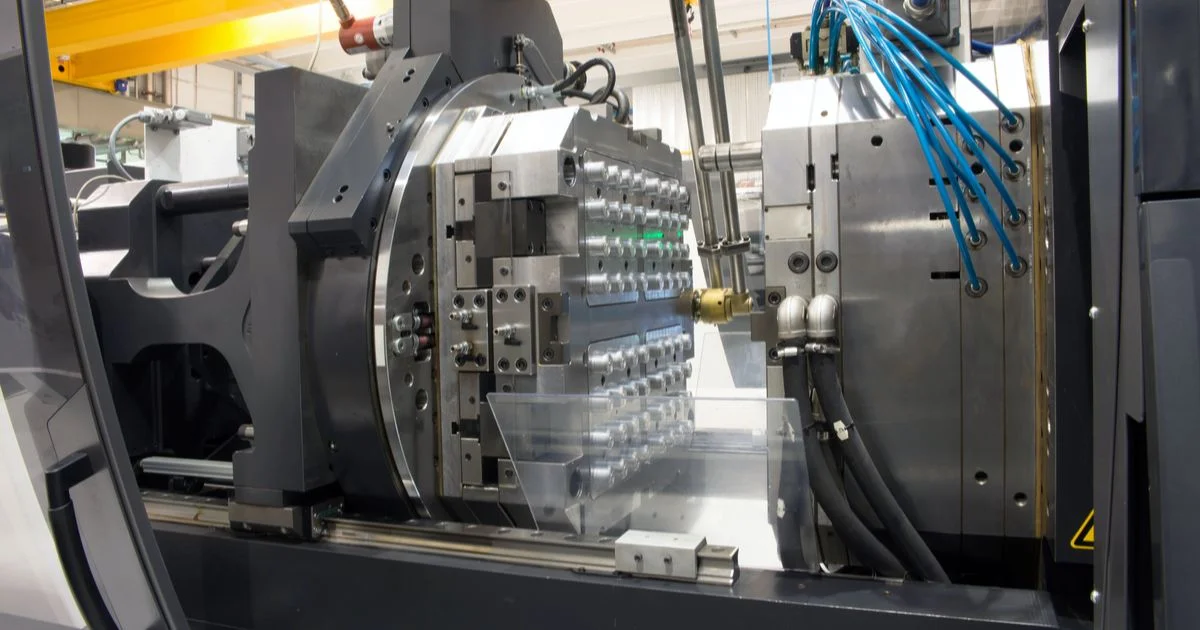
A buyer we spoke to owned 8 plastic injection molds, each weighing around 500kg, located at a factory near Shanghai.
They wanted to:
- Retrieve their molds
- Inspect them for damage
- Decide whether to transfer production to another supplier
But the situation quickly became difficult, as they had:
- No CAD files
- No 2D/3D drawings
- No tooling documentation
That creates serious problems:
- You can’t easily reproduce the molds
- A new supplier may reject them without inspection
- You don’t know their condition or remaining life
This is why design ownership and documentation are critical for defining tooling ownership.
And moving the molds wasn’t simple either; this was 4 tons of tooling that required proper handling and logistics.
So, sadly, this was a classic example of what happens when tooling ownership in China exists on paper, but not in practice.
Why might Chinese suppliers refuse to release your molds?
When a supplier refuses to release molds, it often feels irrational. But if you put yourself in their shoes, they’re worried that you’re going to take away future production.
As soon as you ask for your molds back, the supplier knows:
- You may switch factories
- They will lose future orders
Holding onto your tooling gives them leverage in that situation.
They may try to extract additional payment
Even if you’ve already paid for the molds, suppliers may:
- Claim additional costs
- Ask for “release fees”
- Delay until you agree to pay more
This is a common pattern in injection mold ownership disputes.
There’s no enforceable agreement
Many buyers assume that paying for tooling guarantees control.
But if your manufacturing contract doesn’t clearly define:
- Mold ownership
- Storage terms
- Release conditions
…then recovering your molds becomes much harder.
Who actually owns injection molds in China?
In theory:
- If you paid for the molds, you own them
In practice:
- The factory has physical control
- Contracts may be unclear or incomplete
- Documentation is often missing
So, when disputes arise, control usually wins.
The logistics of moving injection molds between suppliers
Even if the supplier agrees to release your molds, the job isn’t done. You still need to safely move them.
Typical challenges:
- Heavy tooling (hundreds of kilos per mold)
- Risk of damage during handling
- Need for proper packing and protection
- Coordinating transport across regions
Without proper oversight, you risk receiving damaged tooling and having no way to prove where the damage occurred.
This is where tooling custody and management become critical.
What to do if your supplier won’t release your molds?
There’s no perfect solution, but there are proven approaches.
1. Control how you communicate
Avoid saying:
“We’re moving production elsewhere.”
Instead, position it as:
- Inspection
- Maintenance
- Storage review
This reduces resistance and improves your chances of access.
2. Move quickly once access is granted
If the supplier allows access:
- Act fast
- Inspect immediately (see next point)
- Arrange removal without delay
Slow responses can lead to changing conditions or blocked access.
3. Inspect your tooling before removal
Before moving anything:
- Check for visible damage (and if possible go for a full teardown)
- Document condition with photos/videos
- Verify key dimensions if possible
This step protects you later if issues arise.
4. Be prepared for pushback
Even with a careful approach, suppliers may:
- Delay
- Make new demands
- Claim additional costs
This is part of many tooling transfer situations in China, so plan accordingly for the worst-case scenario.
Conclusion
We find that a lot of mold ownership disputes occur because, at the start of the cooperation, there’s an absence of:
- Clear ownership clauses
- Requirement for design files
- Defined exit or transfer process
These undermine your ownership and give the supplier leverage to play tricks on you if they’re so inclined.
How Sofeast helps with tooling disputes and transfers
In situations like this, the goal isn’t just to retrieve molds, it’s to reduce risk at every step.
By signing up for our Plastic Injection Mold Tooling Management Program, we
support you by:
- Communicating with suppliers to ease resistance
- Organizing on-site tooling inspection
- Supervising packing and handling
- Coordinating safe transport
- Assessing tooling condition before reuse
![Metal Injection Molding: The Best Process You AREN’T Using [Podcast]](https://artbyraksha.sofeast.com/wp-content/uploads/2024/12/Metal-Injection-Molding-The-Best-Process-You-ARENT-Using.webp)