List of Aluminum Manufacturers In India (10 Options)

[vc_row][vc_column][vc_single_image image=”15946″ img_size=”full” alignment=”center”][vc_column_text]It’s estimated that global aluminum demand will increase by almost 40% by 2030. To meet demand growth in all industrial sectors, aluminum manufacturers will need to produce an additional 33.3 mt within 8 years. Keep on reading to find out why you should source aluminum manufacturers in India.

Continue reading “List of Aluminum Manufacturers In India (10 Options)”

When and Why a Product Failure Analysis is Required [Podcast]

When and Why a Product Failure Analysis is Required
Sofeast’s CEO Renaud Anjoran and Adrian from the team discuss product failure analysis. This is an action you should consider taking if you suddenly experience quality, reliability, or safety problems with your product during development or, more commonly, once it’s in consumers’ hands in the field.

The analysis will help you pinpoint the problem, find its cause, and decide on the next steps to contain the issue and fix the problem. This is especially important if problems are severe enough to warrant a recall.

Your takeaway is a step-by-step explanation of the failure analysis methodology and the activities per step, so you can conduct your own if need be!


Listen here!

Listen: How To Do A Product Failure Analysis?

Watch: Video on YouTube


Episode sections

  • 00:00 – Greetings
  • 00:45 – Today’s topic: Product failure analysis.
  • 01:18 – The ‘firefighting’ or ‘scattershot’ approach to problem-solving by many factories that doesn’t work well.
  • What kinds of problems warrant performing a failure analysis?
  • 06:27 – Failure analysis during new product development 
  • 09:41 – Failure analysis after products have been shipped
  • 19:02 – What failure analysis methodology could you follow?
    0: Who will work on this analysis and what are the timelines and project context?
    Gather information 
    Document any information about the failure 
    First analysis 
    Deeper analysis 
    Containment, if needed 
    Corrective action plan 
    Corrective action implementation & follow-up 
  • 35:45 – Wrap-up.


Related content…


Listen, rate, & subscribe to the ‘China Manufacturing Decoded’ podcast on your favorite provider

There are more episodes to come, so remember to rate us and subscribe! You can find us on:

If you enjoyed this episode, don’t forget to give us a 5* rating and share it with your network if you enjoy listening!

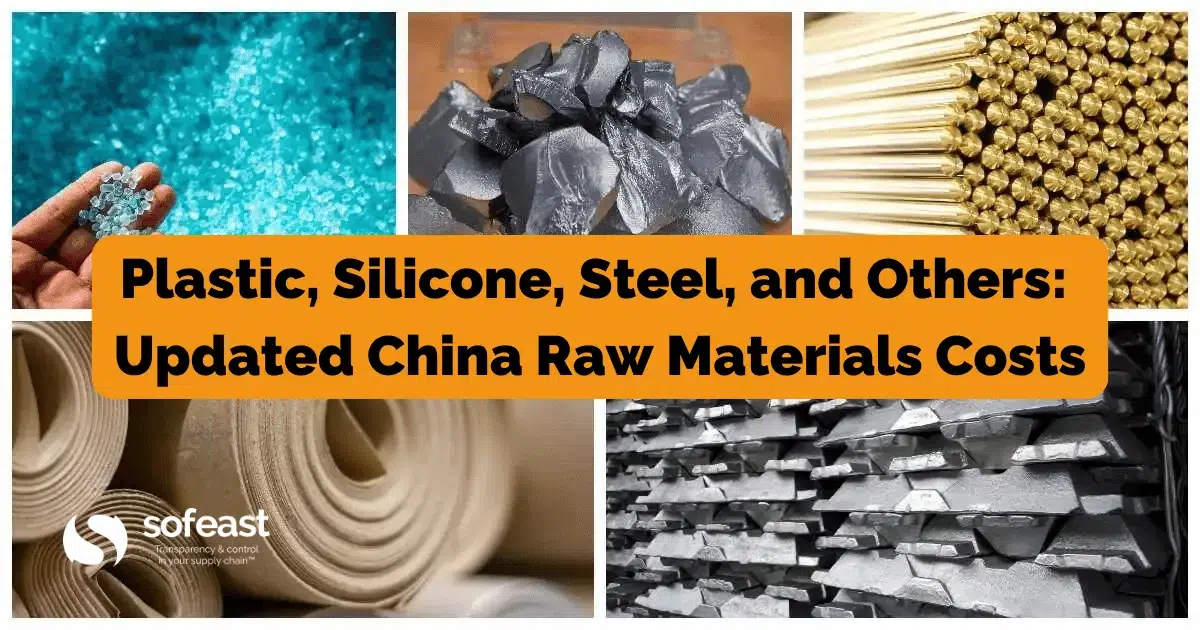
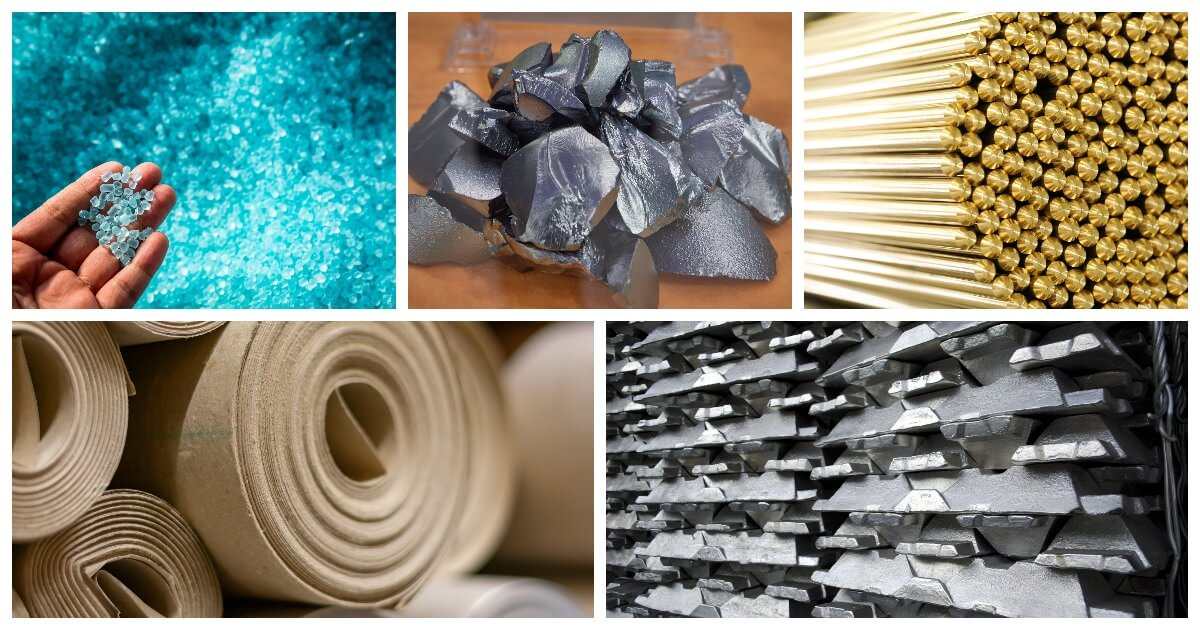
Plastic, Silicone, Steel, and Others: Updated China Raw Materials Costs (late August ’22)

sofeast china raw materials price indicesOur sourcing team has been tracking the costs of China raw materials for well over a year to help importers buying common materials for their products in China keep tabs on the market. If your supplier suddenly blames material costs for a price increase, perhaps you can use this information to challenge them!?

At least, it will allow you to plan ahead if prices for your essential materials seem to be increasing (for instance, you may decide to buy up some inventory in advance to insulate yourself from further rises).

Here’s the up-to-date material cost data from China for you as of late August 2022 and the price evolution since Jan ’21 which has remained relatively stable at a higher point below a 50% increase, for the most part:

china raw material cost monthly breakdown

Let’s go through the materials and see their monthly cost changes and the notable reasons for them:

  • Epoxy Resin: 2.19%
    On-site stockholders’ offers are raising and the industry’s installation load rate has dropped slightly recently.
  • ABS: – 0.19%
    The oil and styrene markets have declined and the high-temperature weather is affecting this industry. Downstream construction has been insufficient and actual demand for spot purchasing was weak.
  • Silicone: + 1.76%
    The raw material silicon metal has also been affected by high temperatures and reduced production in the main producing areas of Yunan and Xinjiang, so supplies have been very tight and the price has rebounded accordingly.
  • Zinc alloy: + 9.35%
    Prices increased as the largest zinc smelter in Europe announced upcoming maintenance and market turnover is not good.
  • AL alloy: + 5.97%
    Aluminum costs have risen and downstream manufacturers mainly order on demand.
  • PVC: – 2.49%
    Market prices decreased, and downstream purchasing enthusiasm was low and market transactions were only mediocre.
  • Paper for color boxes -4.06%
  • Paper for cartons -4.79%
  • Stainless steel: – 7.47%
    The stainless steel spot market price decreased whilst the market atmosphere remains usual.
  • Batteries (lithium cobalt oxides) -6.16%

As you may know, manufacturing activity in China is somewhat depressed these days, perhaps exacerbated by energy problems and a lack of demand for goods from abroad. These points could be the reason for the few notable cost increases. Namely zinc and aluminum alloys, as well as silicone which has been accelerating a little.


How to combat the rising costs?

Explore cost-reducing tips in this post: Rising Raw Material Prices: What Strategy To Follow? (6 Approaches).

What to do if your Chinese supplier suddenly tells you that material costs have risen: How To Cooperate With Your Chinese Supplier, Part 16: Bad News from China, Raw Material Prices Just Increased!

If your supplier just isn’t working out, maybe sourcing a new supplier will help you find one who can offer you better prices and more. If so, there’s no need to fear switching from your current supplier to a new one if you’re prepared: How To Switch To A Newer, Better Chinese Manufacturer? [eBook].


We hope this is helpful. Our mission at Sofeast is to help importers have transparency in their supply chain and to give them more control. And this information is critical to have some visibility into your manufacturer’s costing.

By the way, you can always contact us if you have any questions about whether a manufacturer’s quote is reasonable.

Missing Important Tasks During DVT Could Result In Damaging Product Recalls! [Podcast]

The Sofeast Group’s head of New Product Development, Andrew Amirnovin, is back on the podcast with Adrian from the team talking about the DVT and PVT phases during new product introduction.

A recent news story about the electronics giant Philips having to do a huge recall of ventilators and sleep apnea machines that have, unfortunately, caused deaths and injuries, spur the two to discuss the risks importers face if important steps are missed during the DVT (and PVT) phase of the NPI process.

What could have caused such a problem to make it into the production of such sensitive medical devices, and what can we learn from this example?

Issues like this probably originate in the DVT stage of the NPI process, so let’s examine the steps and testing to be followed, why they’re necessary for a successful new product launch, and how DVT issues spill over into PVT and then into mass production, too.

Suppose you’re bringing a new product to market. In that case, this story demonstrates why following a detailed new product introduction process that pulls out all the stops to find potential risks before production can start is crucial for manufacturing safe, high-quality, and reliable products.


Listen here!

Listen: How DVT & PVT Mistakes Result In Poor Quality Or Even Unsafe Products!

Watch: Video on YouTube


Episode sections

  • 00:00 – Greetings, introducing the topic: DVT & PVT, and activities during each NPI phase that are important to bring a successful product to market.
  • 01:44 – What do the acronyms EVT/DVT/PVT mean?
  • 04:42 – The risks of rushing into production without completing DVT thoroughly.
  • 07:43 – The huge Philips medical device recall happening in Summer ’22.
  • 11:58 – What happens during DVT to help us avoid product risks and recalls?
  • 16:39 – The need for a solid reliability growth plan.
  • 19:44 – The temptation to rush into production and miss DVT steps.
  • 27:25 – What a reliability engineer looks out for when devising the reliability test plan and use cases.
  • 31:42 – What is PVT and why can it also cause a lot of product issues after production if steps are missed?
  • 40:19 – Wrap up.


Related content…


Listen, rate, & subscribe to the ‘China Manufacturing Decoded’ podcast on your favorite provider

There are more episodes to come, so remember to rate us and subscribe! You can find us on:

If you enjoyed this episode, don’t forget to give us a 5* rating and share it with your network if you enjoy listening!

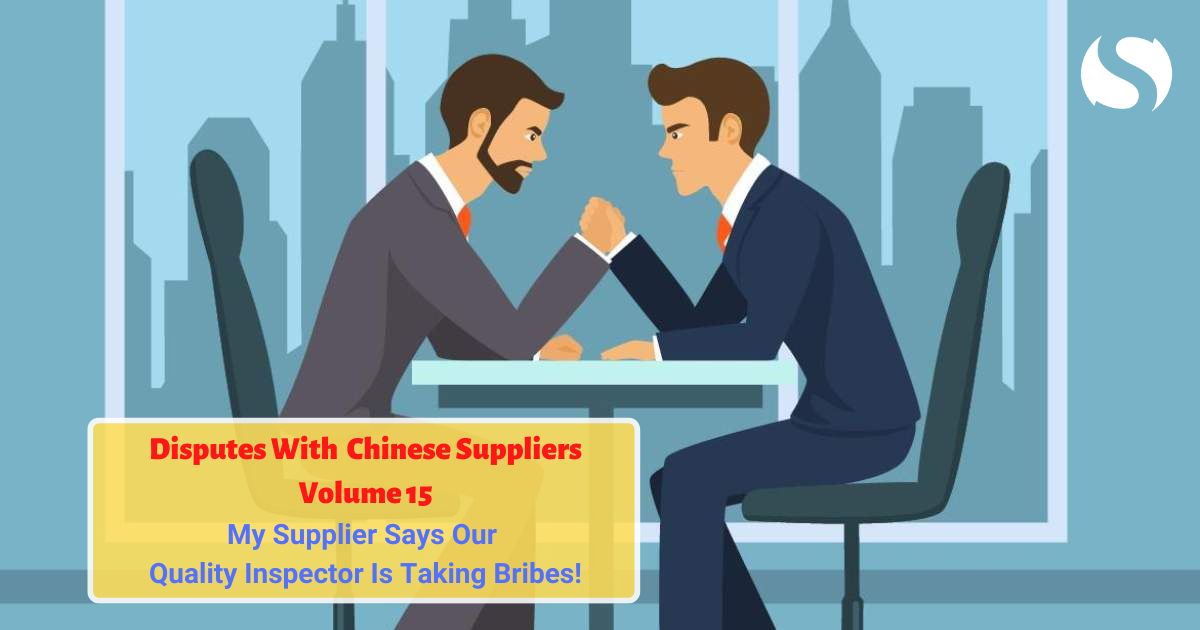
My Supplier Says Our Quality Inspector Is Taking Bribes! | Disputes With Chinese Suppliers Q&A (Volume 15)

Disputes With Chinese Suppliers Volume 15 | My Supplier Says Our Quality Inspector Is Taking Bribes!Sometimes your supplier will tell you that an inspection firm’s QC inspectors demand to be given bribes in order to give the inspection a positive result while threatening to give a negative one if they are not financially compensated.

What happens if you hear this from your Chinese manufacturing supplier..?


Question

“Our supplier tells us that our inspection firm’s inspector demanded several hundred US dollars in order to give our latest batch of products’ inspection a pass and asked us not to send them to their factory any longer. We’re now worried that the inspectors and results aren’t reliable. What should we do?”


Answer

Unfortunately, it is very common for Chinese suppliers to try and discredit inspection companies, for the simple reason that they prefer if you waive inspections.

Fewer product inspections equal fewer problems for them to deal with before you send the final payment and they ship the goods.

While of course, it is impossible to have a 100% guarantee that inspectors won’t ask for bribes, this is less likely than the supplier ‘playing up’ in this way in our experience. So, if you’re in this position, don’t panic about your inspection results and whether the inspection firm can be trusted just yet.

Questions to ask the supplier and inspection firm

There are some questions you can ask to get to the bottom of things:

  • Take the supplier’s claims with a grain of salt. Talk to your inspection firm about this issue and get both sides of the story before getting very worried. Most credible firms will have put in place safeguards that minimize the risks of bribery of quality inspectors who’re out in the field.
  • Many inspection firms also provide a specific way for suppliers to lodge a complaint directly to management about an inspector’s behavior, too. It is a requirement of ISO 17020, and it is a sign of good management. If yours has provided a contact for this, did the supplier approach their management with the issue? If not, why not?
  • Does the inspection firm request the supplier representative to sign a document where they confirm that neither they nor the inspector gave or received bribes? If so, question why they signed it even though they are now claiming that bribes were demanded.
  • If you have had the inspection agency inspect other suppliers of yours, how did that go? It’s a good idea to reach out to the suppliers and ask if the inspectors provided a good service when visiting them or if something seemed off (but perhaps avoid asking if inspectors took bribes flat out, as this may then also give the suppliers the idea to throw the inspection firm under the bus in order to avoid future inspections themselves!).
  • You might also ask your peers who also get products manufactured in China whether they’ve experienced an issue like this. You might be surprised at how many confirm that this is a common ‘trick’ of suppliers.

So, why does this occur?

There are a few points to remember:

  • A supplier might feel that the inspector is a bit too strict when categorizing defects (for instance), and get upset enough about it to try to discredit the inspection firm and get them thrown out of doing inspections in future to ‘get revenge.’ This is even more likely to happen if an inspection caused them to have to do rework, lose some money, and get paid later on an order, for example. But the fear of those events is often sufficient to motivate them. 
  • Chinese suppliers want to get paid ASAP – that’s a key motivation. The earlier they ship, the earlier they get paid. So QC inspections are often seen as an annoyance and inspectors may be ‘stopping them from getting their money’ or at least making the process more difficult and slower.
  • Miscommunication between supplier, inspection firm, and yourself. This is a classic example where it’s critical to keep talking and ask questions calmly to try to get to the bottom of things. Most inspection firms have no incentive for anyone to take bribes, they’re paid per job and their incentive is to give you honest information about your product quality so you book them for more inspections in future!

As the buyer, you can minimize this risk

When you start working with a supplier, make sure they (and the key people at the factory) know that corruption is absolutely not permitted in your supply chain. And if, for example, an inspector asks for bribes, they must say no and they will be given the opportunity to request another inspection company to come check a production when requested.

You need to document your quality standard and make it as detailed and specific as possible. This way, the inspector can show the factory people what you require, and there will not be suspicions that he/she is ‘making things up’.

It also helps to send inspectors earlier in production, when the objective is to give feedback about production quality rather than ‘stopping bad shipments’.

Finally, never heap large amounts of pressure on a supplier. If you say ‘either you pass, or we refuse shipment‘, there is a real risk that factory staff will make offers to your inspector.

The bottom line…

If your supplier has been upset by an inspector legitimately attempting to uphold your quality standard you might have to lay down the law and stress how important product quality is to your business. Have you got a backup factory in place to switch suppliers if they refuse to fall into line?

If it turns out the inspection firm’s inspector was taking bribes, of course, don’t use them in future. That’s a reasonable reaction to a loss of trust like this.

*****

Do you find yourself in a difficult situation with a Chinese supplier? Let us know and we might answer your questions in a post like this! Contact us here.


Other helpful content

You may also find these posts and podcast episodes helpful in this case:

If you’ve exhausted all possible avenues and your supplier won’t budge, if it’s feasible to do so, switching to a new supplier could be a solution to your problem. It doesn’t have to be as painful as you may think, as we outline in this free eBook…just remember to put protections in place that will prevent the same scenario from occurring again! Get your copy here: How To Switch To A Newer, Better Chinese Manufacturer? [eBook].

You can also read our entire ongoing series of posts about disputes with Chinese suppliers here.

How To Get Better Quality Products From Suppliers & Optimize QC Inspections? [Podcast]

How To Get Better Quality Products From Suppliers & Optimize QC Inspections

Sofeast’s CEO Renaud Anjoran and Adrian from the team are back with a topic for importers placing large and valuable orders with their overseas manufacturers and performing many product inspections.

Your inspection budget is no doubt a reasonable size, but what if you could optimize your inspection schedule to reduce costs and get the same results without increasing risk (more than a minimal amount), or get even better results for the same budget by distributing resources differently? Renaud offers some inspection optimization strategies here.

Working with suppliers on making upstream improvements to product designs, factories, processes, etc, is also a great way to reduce quality risks and can help reduce your inspection budget over time as fewer inspections are potentially required. He’ll explain how to do that, too.


Listen here!

Listen: How To Optimize QC Inspections & Use Preventive Measures To Get Better Quality Results?

Watch: Video on YouTube


Episode sections

  • 00:00 – Greetings
  • 01:05 – Changes to Hong Kong Covid quarantine and news of Covid lockdowns in Yiwu (although not too severe).
  • 11:02 – Today’s topic: How to optimize QC inspections and get better results. Why would a business seek to do this?
  • 16:22 – Adjusting inspection type, severity, and regularity could be a helpful cost-saving exercise.
  • 18:26 – What does a business need to prepare before starting an optimization initiative like this?
  • 23:38 – What information should we gather from the supplier’s side?
  • 35:35 – Which kinds of importers this upstream product development and process optimization is more relevant to?
  • 37:03 – Delegating inspections to the supplier over time (without raising risks, hopefully).
  • 41:56 – Wrap-up.


Related content…


Listen, rate, & subscribe to the ‘China Manufacturing Decoded’ podcast on your favorite provider

There are more episodes to come, so remember to rate us and subscribe! You can find us on:

If you enjoyed this episode, don’t forget to give us a 5* rating and share it with your network if you enjoy listening!

Transitioning to Manufacturing from Product Development | 2 Options

Transitioning to Manufacturing from Product Development | 2 OptionsA final prototype has been approved and the foreign company’s next step is to go into mass production with the Chinese manufacturer. This is known as transitioning to manufacturing. Here’s how the process works…

Continue reading “Transitioning to Manufacturing from Product Development | 2 Options”

How to Reduce Your Product Return Rate? [Podcast]

How to Reduce Your Product Return Rate [Podcast]Our head of New Product Development, Andrew Amirnovin, joins Adrian from the team to explain what the product return rate is, why customers return products, how to reduce the risk of returns during the new product design and development phases, and what to do if a product starts getting returned.

If you manufacture and import products you don’t want too many returns as they can be costly in warranty claims, redevelopment, time, and damage to your brand’s reputation.


Listen here!

Listen: Your Product Return Rate & How To Control It?

Watch: Video on YouTube


Episode sections

  • 00:00 – Greetings, introducing the topic.
  • 01:17 – Andrew introduces his role as new product development head in the Sofeast group.
  • 02:58 – What is the product return rate?
  • 05:07 – How return rates vary depending on product type.
  • 06:45 – What are the 5 main causes of product returns?
  • 10:37 – 7 Steps you can take to ensure you get as low a return rate as possible BEFORE the product is sold.
  • 25:51 – If a product you’re already selling starts getting returned, what can you do? (6 steps)
  • 33:00 – Some famous product recalls.
  • 36:10 – The role of the NPI process.
  • 38:27 – Wrap up.


Related content…


Listen, rate, & subscribe to the ‘China Manufacturing Decoded’ podcast on your favorite provider

There are more episodes to come, so remember to rate us and subscribe! You can find us on:

If you enjoyed this episode, don’t forget to give us a 5* rating and share it with your network if you enjoy listening!

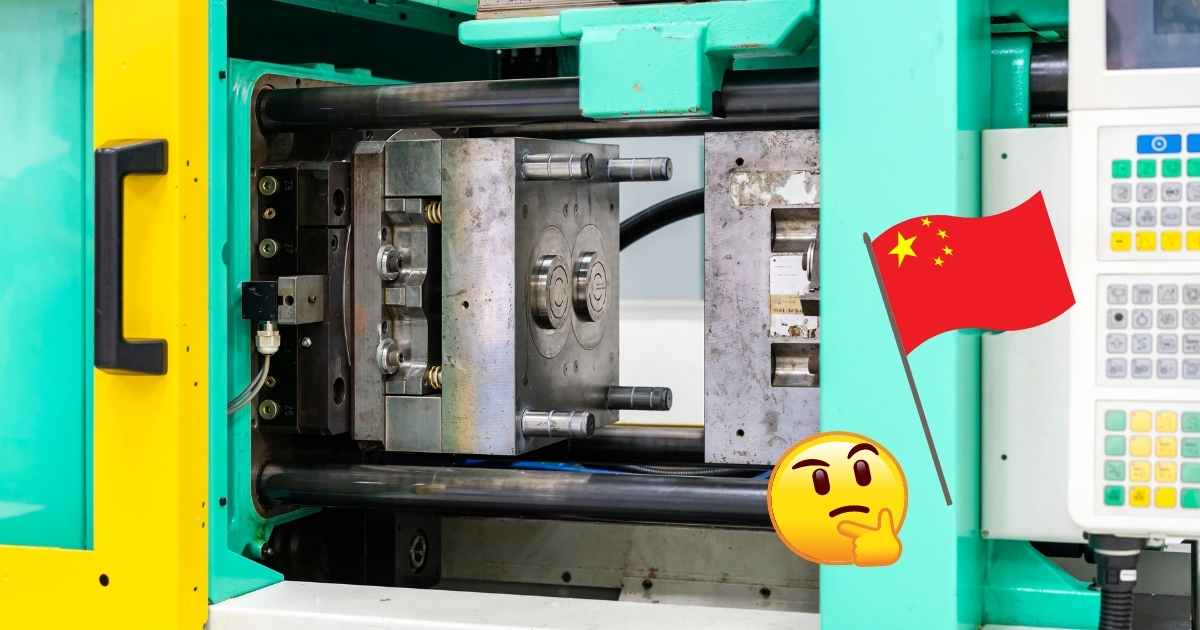
Buy China Tooling For Plastic Production Abroad? (Benefits & Risks)

Buy China Tooling For Plastic Production Abroad (Benefits & Risks)Many manufacturers utilize injection molding for the production of their plastic enclosures and components. When working with the right company, China tooling tends to be the right blend of quality, low cost, and relatively high speed. That’s why many importers get their tooling fabricated in China, even when production is set to take place abroad.

It is particularly common for plastic injection molds.

There are reasons to do it this way rather than getting the tooling made in your country of production, but also some risks, too. Let’s take a look…

Continue reading “Buy China Tooling For Plastic Production Abroad? (Benefits & Risks)”