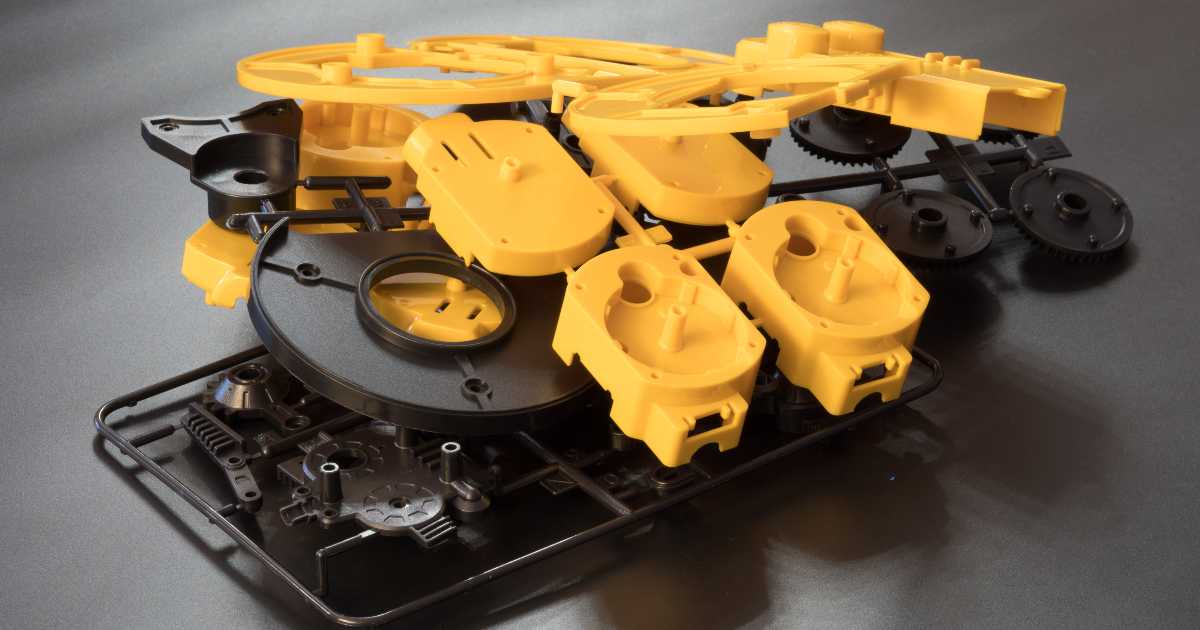


 Renaud and Adrian discuss the unwelcome scenario of recurring quality problems from your outsourced supplier who’s handling your manufacturing in China. They cover your quality standard, 6 tips on how to handle common recurring quality problems, and several reasons WHY these issues might be happening in the first place.
Listen to the episode about recurring quality problems here 👇
Listen: to the podcast episode
Watch: on Youtube
Episode sections
- 00:00 – Greetings and introducing the topic: What happens if you have repeated quality issues from your manufacturing supplier?
- 01:57 – YOU need to make sure that the supplier understands your quality standard first.
- 03:46 – Tip 1. Always inform the supplier clearly how and why they went wrong.
- 08:18 – Tip 2. Give feedback on issues as early as possible during production.
- 10:44 – Tip 3. NEVER accept quality lower than your standard, including making an exception.
- 14:00 – Tip 4. Clearly define your quality standard including critical, major, minor, and non-defects.
- 22:01 – Tip 5. Set AQL limits (i.e. tolerances for defects) that correspond to your quality standard.
- 26:09 – Tip 6. Switch to a newer better supplier.
- 31:46 – Why product design issues could actually be the cause of your troubles.
- 33:43 – Why poor manufacturing might be the cause.
- 37:08 – Why your supplier’s suppliers might be the cause.
- 41:27 – Wrapping up.
Related content…
- 4 quality standard levels [Podcast]
- What is the AQL (Acceptance Quality Limit)? An exhaustive guide
- Different inspection levels
- Negotiating with suppliers, including quality standards [Podcast]
- Learn how to switch to a new supplier if you can’t accept the problems any longer
- Explore Sofeast’s different supplier Audit Solutions and due diligence checks
Listen, rate, & subscribe to the ‘China Manufacturing Decoded’ podcast on your favorite provider
More episodes are coming, so remember to rate us and subscribe! You can find us on:
- Apple Podcasts
- Spotify
- Stitcher
- Google Podcasts
- TuneIn
- Amazon Podcasts
- Deezer
- iHeartRADIO
- PlayerFM
- Listen Notes
- Podcast Addict
- Podchaser
- The podcast’s website at China Manufacturing Decoded
If you enjoyed this episode, don’t forget to give us a 5* rating and share it with your network if you enjoy listening!
![What’s The Cost Of Quality? [Podcast]](https://artbyraksha.sofeast.com/wp-content/uploads/2021/10/Whats-The-Cost-Of-Quality_-Podcast.jpeg)
![Tips On How To Get Suppliers To Zero Defects [Podcast]](https://artbyraksha.sofeast.com/wp-content/uploads/2020/12/Tips-For-Continually-Getting-Good-Results-From-A-New-Supplier-_-Vetting-Chinese-Suppliers-Part-11-1.jpg)
![Tips On How To Get Suppliers To Zero Defects [Podcast]](https://artbyraksha.sofeast.com/wp-content/uploads/2021/08/Tips-On-How-To-Get-Suppliers-To-Zero-Defects-Podcast.jpeg "Tips On How To Get Suppliers To Zero Defects [Podcast]")